 Tom Hyland | Forbes
According to Regeneration International, regenerative agriculture describes farming and grazing practices that, among other benefits, reverse climate change by rebuilding soil organic matter and restoring degraded soil biodiversity – resulting in both carbon drawdown and improving the water cycle. (Note: the company states that while there are different definitions of regenerative agriculture, they believe their definition is “the primary one.”)
Recently Moët Hennessy, the giant French beverage firm, organized an event that addressed regenerative agriculture in terms of work done by farmers, scientists and researchers to improving the soil and the environment; these labors result in healthier foods and wines.
The event, called World Living Soils Forum, was held in Napa Valley, California and Arles, France where numerous specialists in this field spoke about their research and work in this field. I was able to view a video of speakers in Napa, and found their comments fascinating.
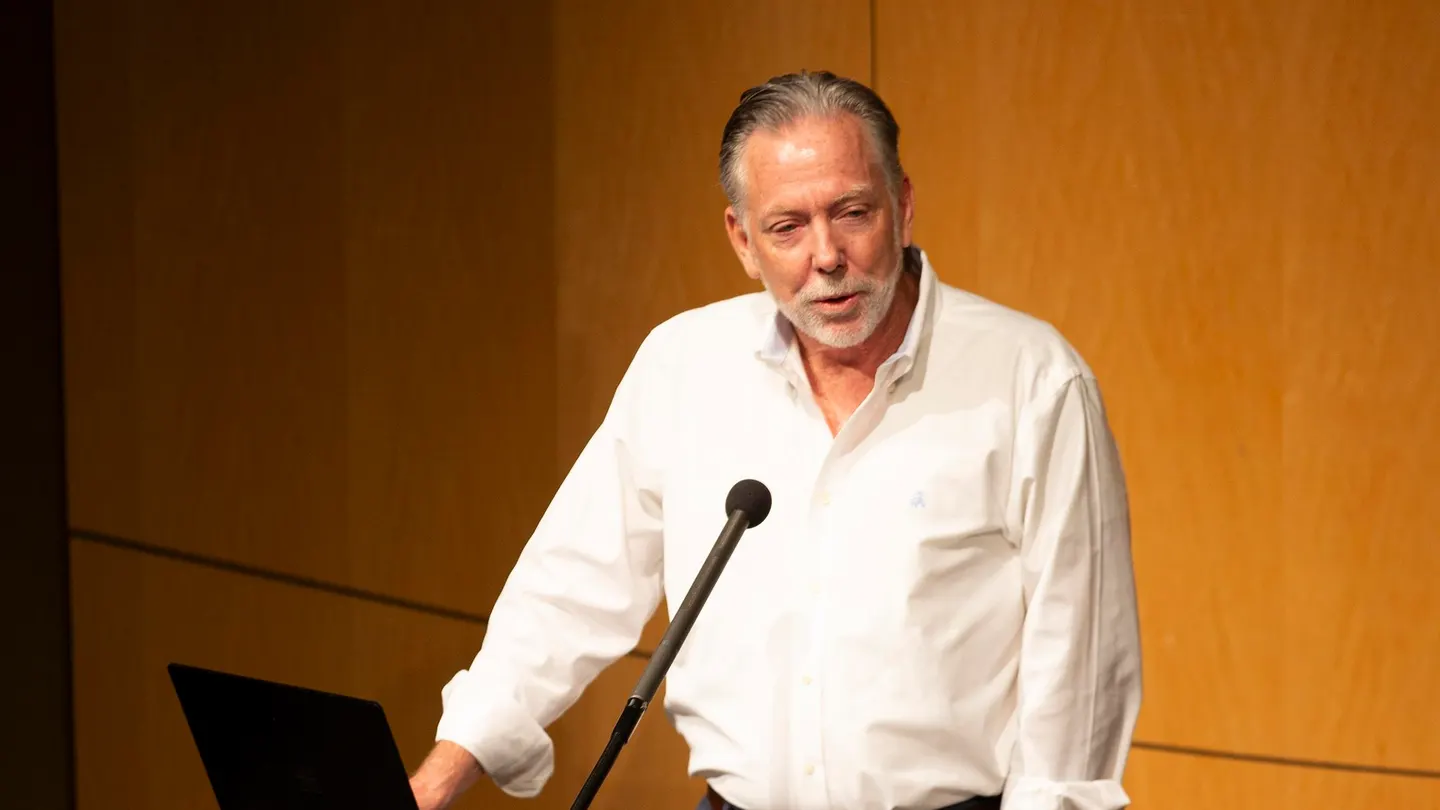
Moderating this seminar was David Pearson, CEO of Joseph Phelps Vineyards in St. Helena in Napa Valley. The Phelps winery, founded in 1973, has been for several decades among the area’s finest producers, most famously with Cabernet Sauvignon, especially as expressed as the primary varietal in their most iconic wine, Insignia. A few years ago, Moët Hennessy purchased the winery, and today Phelps continues its remarkable heritage as one of Napa Valley’s classiest and more respected estates.
Pearson has seen to it that the winery is one of the leaders in Napa Valley regarding regenerative agriculture; sheep graze in their estate vineyards, providing benefits such as natural fertilizer as well as eating weeds in the vineyards that reduce the need for chemical or natural weeding.
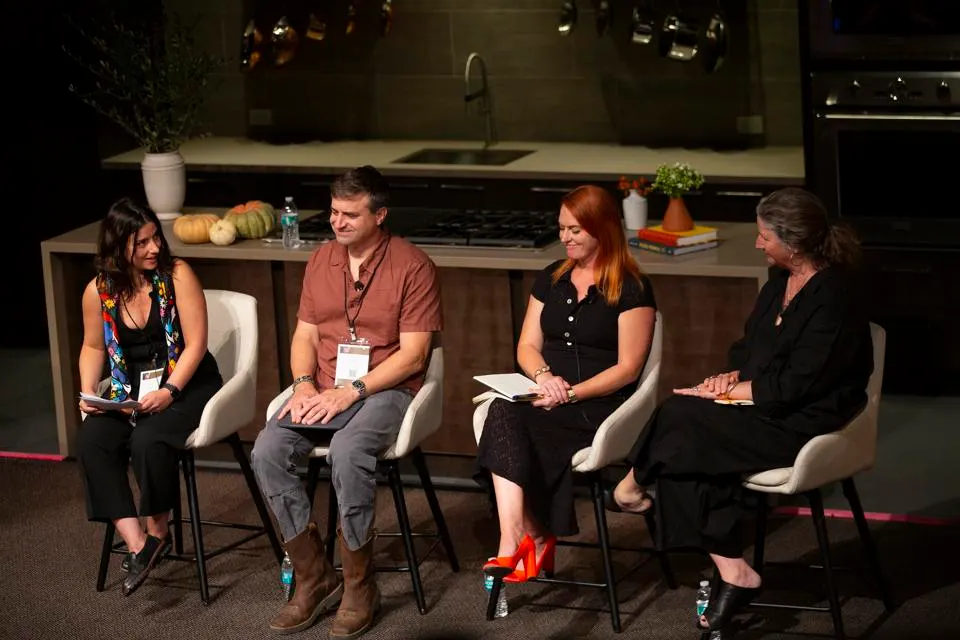
One of the key topics at this seminar was how the wine industry can use regenerative agriculture. Cristina Lazcano, a professor at UC Davis, commented on this, stating, “the wine industry is well positioned to work on the big questions … there’s this good understanding of the sense of place … and the connection of the land and the people and the crops and the environment and how they all influence each other. I don’t think that exists in many other commodities.”
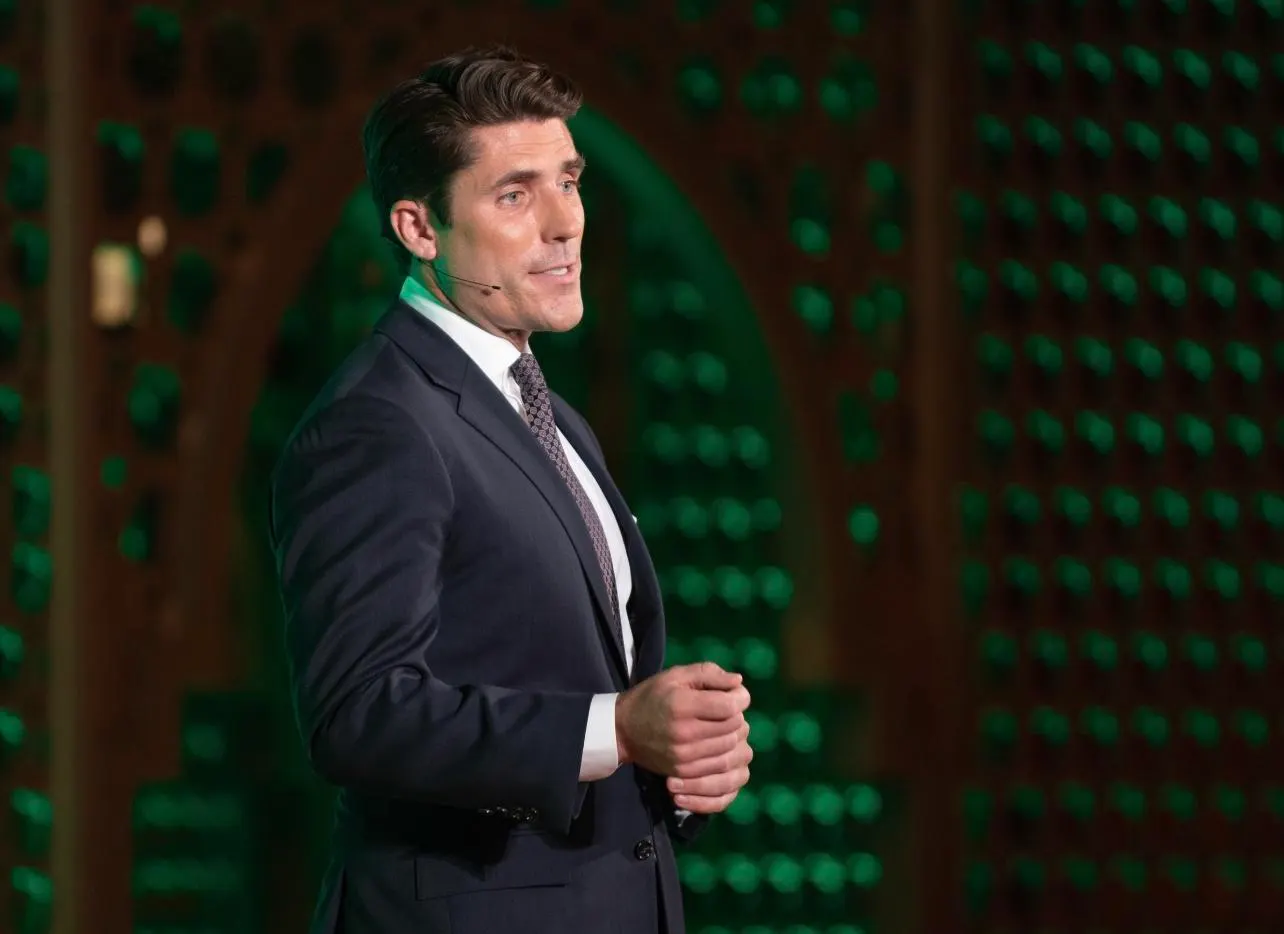
Adam Koeppel, CEO of Agrology, a company that provides research for farmers and growers on this subject, mentioned that consumers come to visit wineries to taste the fruits of the labor in the vineyards, unlike with other produce. “We joke with our customers that no one is showing up at a corn tasting in the Midwest.” He emphasized that “for this industry (wine), the customers will actually want to come and do the factory tour effectively and see how the wine is made and will build an entire vacation around it.”
Koeppel believes this is a huge benefit for wineries in leading the way for healthier vineyards. “We can really lean into that and use it to our advantage as we advance the cause of regenerative agriculture, and take the opportunity to look at our ideas of where the movement should go and ensure that the public at large is following in the right direction.”
Daphne Amory, a regenerative consultant, talked about living systems that continue to weave and and support each other and work together in reciprocal relationships. “We’re beginning to understand what’s below ground because we’ve spent so much time looking above the ground,” she declared.
Anna Brittain, executive director of Napa Green, a sustainable wine program that works with wineries in Napa Valley, talked about the necessary work for growers and producers. “It’s about building more and more self-regulating farm systems that need less and less human intervention.” She commented that practicing regenerative agriculture is what she believes is the ‘platinum level,’ and that, “it isn’t just about regenerating our ecosystems, it’s also about regenerating our social systems we have to take care of.”
A second set of speakers also addressed the topic of living soils and regenerative farming. Judith Schwartz, an author from Vermont, who previously wrote about economics before turning her attention to soil. She questioned why nature had a value of zero, especially when compared to wealth. She sees soil as a very important topic. “Food can only be as healthy as the soil in which it is grown.”
She mentioned how exciting is is to be a journalist and have people welcome her in to their world to talk about their work. “People want to tell you their stories (of how) they’ve improved their soil.” She mentioned how things have changed since 2013 when she wrote her book Cows Save The Planet: and Other Improbable Ways of Restoring Soil to Heal the Earth. According to her, few people at that time were talking about soil, while today, the climate movement has become quite strong. “I think of regenerative agriculture as improving the soil … within nature, there’s always disturbance … when we interact and create disturbance, it can be degenerative disturbance or regenerative disturbance.”
Oliver English, CEO of Common Table Creative, discussed his multi-layered career, from chef to film maker; one of his most recent films, a documentary called Feeding Tomorrow (now available on Apple TV, Amazon Prime and YouTube) tells the story of how food is treated in various ways around the earth, and how things have to change if more of the earth’s habitat is to be saved.
English decided at one point that filmmakers need to talk to more farmers about their work; he was very inspired by their vision. “We need farmers to be celebrities.” In his film Feeding Tomorrow, he did just that. “Our intention was to highlight the role of farmers in society that celebrate the restoration and regeneration that they are taking part of … connecting all of the amazing work that’s being done on farms all over the world the last few years.” For English, “it’s sharing stories that people relate to and connect to emotionally.”
The third speaker on this panel was Jesse Smith, a director of Land Stewardship for White Buffalo Land Trust, a company and movement that acts as a global hub for several issues, including regenerative agriculture, ecological monitoring and enterprise development.
A native of Santa Barbara, California, Smith had an upfront and personal introduction to how specific areas are connected with particular foods when his wife and he drove through Bordeaux and parts of France when he worked there. “Every little town, every little region based off of their wine or their bread or their cheese had their own little unique expression of culture.” He compared that with driving through California where in his words, “from Sacramento to San Diego, there was some beauty, but there wasn’t this uniqueness about every single place.”
Smith wanted that same experience he saw in France so in the early part of the 2010s, he and others started a farm called Regenerative Earth Farms; here they made organic artisan cheeses, raised heritage breed pigs, managed fruit orchards and started an organic garden. White Buffalo does a lot of things, including producing foodstuffs that he is proud of. “What we’re addressing through our education and training programs in raising the ecological literacy of the community.”
Let’s give the final words to English about the positive work that has resulted because of regenerative agriculture. “The most flavorful fruits and vegetables come from the healthiest soils, come from the most biodiverse regenerative farms, so if we’re talking about food, let’s talk about flavors, let’s talk about nutrient density, let’s talk about human health, and let’s talk about this movement being fun.
“It’s through the food that we eat, through the food we support (that) we are participants in the stewardship of the planet.”
About Napa Green: The Napa Green 501c3 is a global leader in sustainable winegrowing, setting the highest bar for sustainability and climate action in the wine industry. Napa Green facilitates whole system soil to bottle certification for wineries and vineyards, and provides the expertise, boots-on-the-ground support, and resources to continually improve. Learn more at https://napagreen.org/participating-members/.
Anna Brittain
Napa Green
+1 805-636-3329
email us here
Visit us on social media:
Facebook
LinkedIn
Instagram