Eric Asimov | The New York Times
Grape growers and wine producers have long sought certifications testifying to their sustainable farming methods or their commitment to protecting the environment. They have taken great satisfaction in displaying their organic or biodynamic credentials. No less would be expected in a field that prides itself on offering a natural, agricultural product.
Far less attention has been paid over the years to how wineries treated the people who are doing the actual farming and production work. It’s been an enormous oversight, particularly as agricultural workers continue to be prime targets for exploitation.
Just last year four workers died in Champagne while harvesting grapes in extreme heat. French prosecutors in 2023 also opened human trafficking investigations into companies supplying seasonal workers. Similar scandals have occurred all over the agricultural world over the years.
Recognizing the long history of exploitation, and perhaps wanting to codify their social values along with their environmental and agricultural practices, a growing number of wine producers have sought certification demonstrating their commitment to what many call social sustainability.
These certifications can come from local wine-oriented organizations, like Napa Green in California, LIVE in the Pacific Northwest, Equalitas in Italy and Haute Valeur Environnementale in France. The Regenerative Organic certification has a social fairness requirement in addition to its agricultural standards. And more and more wineries are seeking B Corp certification from B Lab, which promotes the notion that companies benefit by working for both profits and the social good.
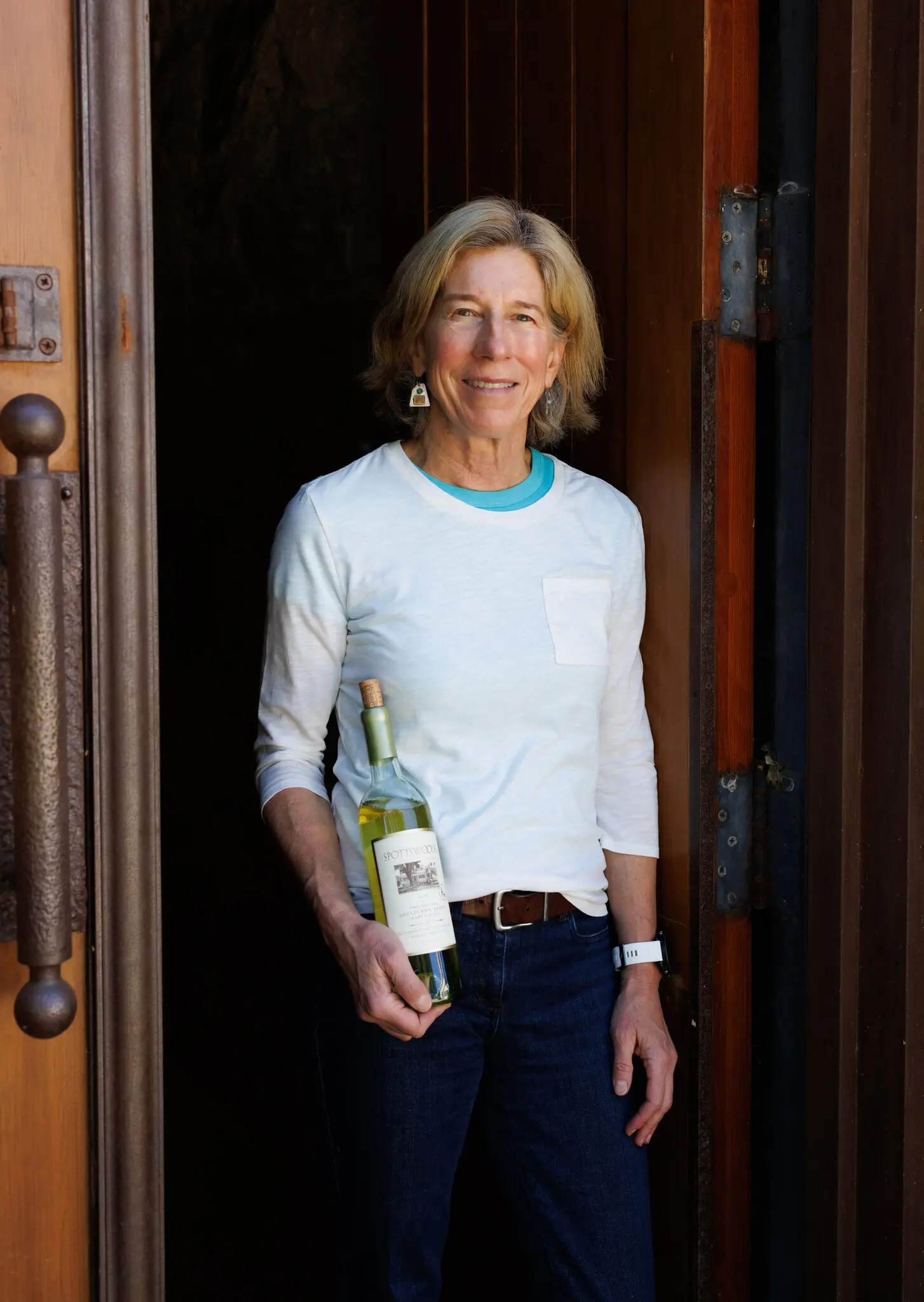
Roughly 100 wineries worldwide have B Corp certification. They include significant names like Spottswoode in Napa Valley, Felton Road in New Zealand, Bollinger and Charles Heidsieck in Champagne, Sokol Blosser, Stoller, Soter and Chehalem in Oregon, Rathfinny and Ridgeview in England, Avignonesi in Tuscany, Benjamin Bridge in Nova Scotia and many more.
Among the most recent to receive certification is Domaines Barons de Rothschild, the parent company of Château Lafite Rothschild and other estates in Bordeaux, Chablis, Languedoc, Chile, Argentina and China.
Why would a company as prestigious, as aristocratic, as Lafite Rothschild seek B Corp status?
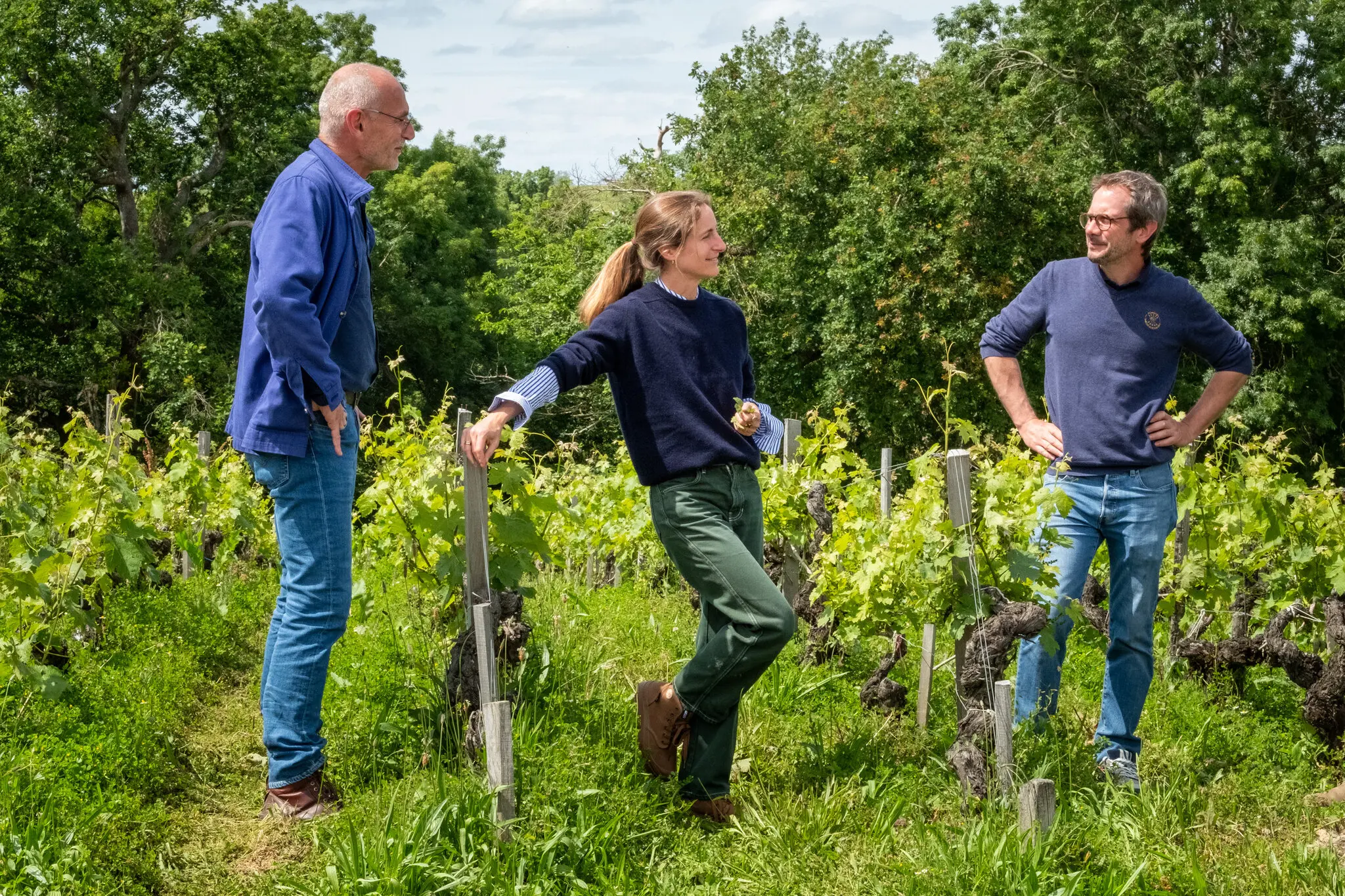
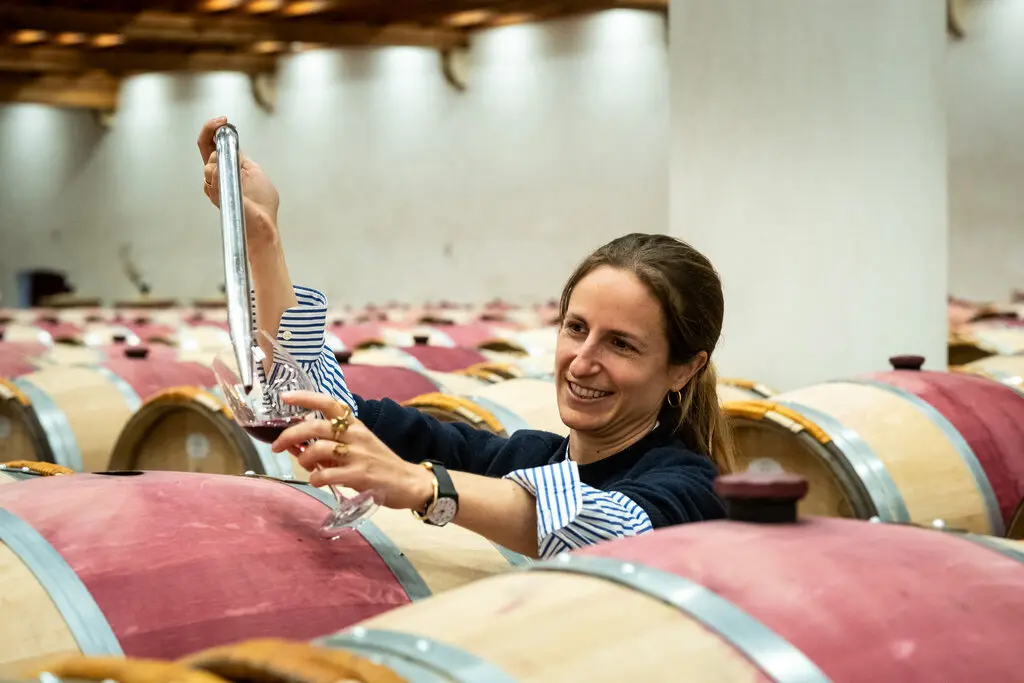
“When nature is the core of the product you produce, you have to have extremely strong convictions,” said Saskia de Rothschild, who succeeded her father, Éric de Rothschild, as chairman of the domaines in 2018 and chief executive of Lafite in 2021. “How can we put that at the core of what we are doing? B Corp seemed the most complete and exhaustive commitment to our environmental and social goals. We did it for all of our estates.”
Working in Bordeaux, particularly at a historic, celebrated place like Lafite Rothschild, she said, could be socially “very strange.”
“How can we keep to our philosophy, and make people feel part of a family of estates but make it professional rather than paternalistic?” she said. “Our business depends on balance — in the wines, in our company, in nature.”
Achieving B Corp status is no easy thing. It requires a comprehensive analysis of how a company does business, with different standards for different industries. Wine producers are assessed for how they manage water and waste, for how harmonious their agricultural practices are with their particular environment, whether they promote biodiversity and how they manage their workforces.
That means analyzing the gender and racial diversity of a company’s employees as well as its income diversity. The average pay ratio of chief executive-to-worker among S&P 500 companies was 272-to-1 in 2022, according to the A.F.L.-C.I.O. Among B Corp companies, B Lab says, it’s 6-to-1. Companies are also asked about their career-development programs, and how their organization relates to their local communities.
“We set standards, and companies must meet minimum thresholds,” said Sarah Schwimmer, interim co-lead executive of B Lab, which began certifying companies in 2007. “They complete the assessment. We have analysts who verify. They ask for documentation and they may do site visits. You’ve got to really want it.”
Companies are given points in each area, and must achieve a minimum of 80 points to be awarded B Corp status. But that’s only the beginning. B Lab points out where companies can improve, and recommends steps toward making those changes. And companies are regularly reassessed.
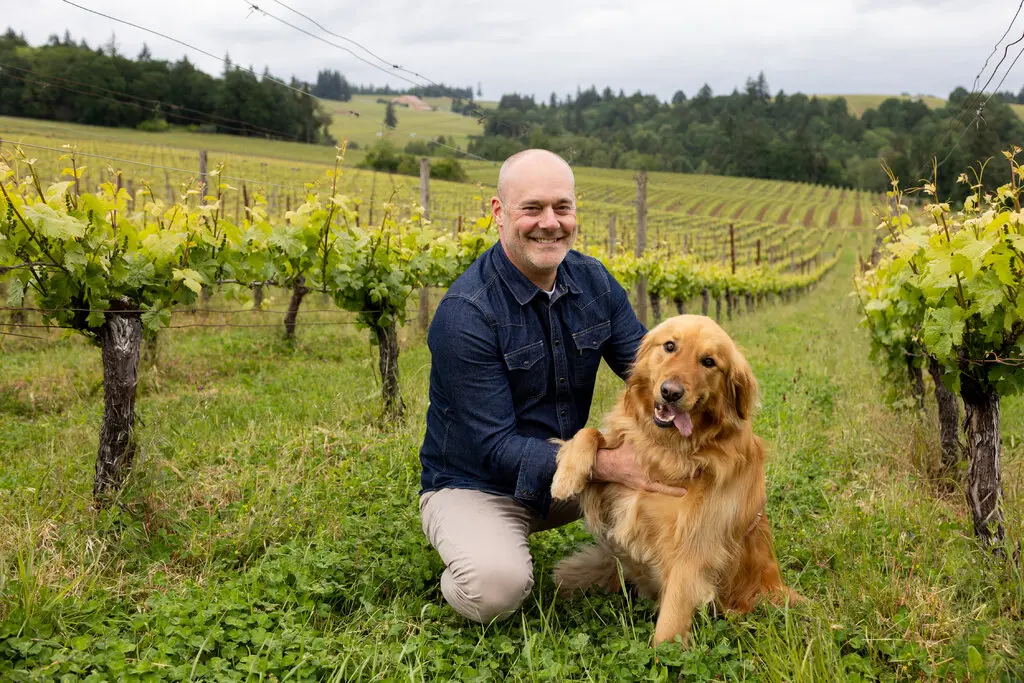
“It really is like going to your doctor,” said Alex Sokol Blosser, the second-generation president of Sokol Blosser in the Willamette Valley. “Your doctor says, ‘You need to exercise more, and here are your options.’ B Corp says, ‘You need to think about your team and your community in how you run your business, and here’s how you can do that.’”
Sokol Blosser has been a B Corp since 2015. Mr. Sokol Blosser says it was a decision that followed the values instilled in him by his parents, Susan Sokol and Bill Blosser, who founded the winery in 1971.
“It resonated with my mom,” he said. “She’s a firm believer in the triple bottom line,” the sustainability measure that looks at three areas: people, planet and profitability. “It’s on every one of our labels. We’re proud of it.”
For Beth Novak, chief executive of Spottswoode in Napa Valley, B Corp status has been eye-opening.
“The process itself is amazing,” she said. “You learn a lot. All sorts of things arise as you’re answering questions, and, ‘Oh, I hadn’t thought of that.’ We’ve adopted many of them.”
She said the only drawback is that not enough people know about B Corp or what it stands for.
“We think there’s a way to operate that’s important,” she said. “Our whole ethic is around the natural environment and taking care of our people. The whole Milton Friedman thing about maximizing shareholder value has not led us to a good place at all in terms of natural environment and workplace.”
Inevitably, when companies promote values that at one time might have seemed idealistic but have now become lightning rod political issues, like diversity, equity and inclusivity, antiracism, social justice and taking care of one’s environment and ecosystem — all at the heart of B Lab’s ethos — some sort of resistance might be expected.
Rainer Seitz, an associate professor of management at Linfield University in McMinnville, Ore., pointed to two recent examples, Target and Bud Light, which have both dialed back vocal support for Pride Month after conservative backlash to their position on L.G.B.T.Q. issues.
“Companies have to ask themselves whether their stance is counterproductive,” Dr. Seitz said. “Is it central to who we are and to our values? What is the potential cost of doing this? Or not doing this? It is a brave stance to seek out and take on standards. It’s not for everyone.”
The bottom line, he said, is whether it makes good business sense. Apparently, it often does.
“Organizational justice — if you treat people well and fairly at work — lots of good things happen,” Dr. Seitz said. “There’s less turnover and higher productivity.”
For Napa Green, which has 90 certified wineries and 37 certified growers in Napa Valley, a commitment to racial and social justice is a core value, along with agricultural and workplace sustainability, said Anna Brittain, its executive director.
But promoting diversity is different from creating diversity. Leadership in wine remains overwhelmingly white and male. Yet Ms. Brittain believes wine has a crucial role to play in demonstrating that change can come.
“We’re at the peak of the agricultural pyramid, so the leadership we show has much bigger reverberations,” she said.
Akilah Cadet, an organizational and management consultant and author of “White Supremacy Is All Around,” works with Diversity in Wine Leadership Forum, which supports initiatives to transform the wine industry. She applauds the accountability that certification requires but warns that, depending on the regulatory body, these certifications can often be performative. She rues the decline in D.E.I. efforts that has come, she said, as people in charge want to feel comfortable again.
“Being comfortable typically excludes women, BIPOC, L.G.B.T.Q. and disabled communities not only as consumers but as experts or contributors to the wine industry,” Dr. Cadet said. “It is time the wine industry moves away from fads and trends and realizes the future of wine is just as diverse as the grapes.”
Both Ms. Brittain of Napa Green and Ms. Schwimmer of B Corp assert that social sustainability not only makes companies work more cohesively, it appeals to the public, particularly to younger consumers, with whom the wine world is struggling to broaden its appeal.
“It seems like a no-brainer,” Ms. Brittain said. “Studies all show consumers want to support values-driven industries.”
B Corp’s own studies show that a majority of consumers agree that environmental and social certifications make a difference in their decisions. Charlotte Levitt, a B Corp representative, pointed to a report from Edelman Trust Barometer, a poll of 36,000 individuals, which concluded, “Societal leadership is now a core function of business.”
For Ms. Rothschild, it’s just good business.
“Wine can be excluding and pretentious,” she said. “The wine industry is super traditional. It’s opening the doors to different kinds of people.”
Eric Asimov, the chief wine critic of The Times since 2004, has been writing about wine, food and restaurants for more than 30 years. More about Eric Asimov
About Napa Green: The Napa Green 501c3 is a global leader in sustainable winegrowing, setting the highest bar for sustainability and climate action in the wine industry. Napa Green facilitates whole system soil to bottle certification for wineries and vineyards, and provides the expertise, boots-on-the-ground support, and resources to continually improve. Learn more at https://napagreen.org/participating-members/.
Anna Brittain
Napa Green
+1 805-636-3329
email us here
Visit us on social media:
Facebook
LinkedIn
Instagram
Thanks to the @naparegister for publishing this Climate Connection contribution from @napagreen’s Vineyard Program Director, Ben Mackie (@soilrainandhope) highlighting the biodiversity @grgichhillsestate.
If you loved this article, you’ll love our Birds, Bees & Butterflies: Biodiversity in the Vineyard workshop happening today!
#climateaction #regenerativeag #regenerativeviticulture

Friday night dinner dilemma?
Order takeout from @southsidenapa using promo code DONATE and 20% of your order will be donated to @napagreen.
It’s a win: win! You get dinner and @napagreen gets funding to contribute our impactful climate action work in Napa Valley.
Order online or preorder your Fried Chicken Friday pickup for February 27, 2026. Don’t forget to pair it with Napa Green certified wine! 🍽️ 🍷
#dineanddonate #nonprofit #napavalley
Join us Thursday, February 26 to learn about biodiversity in the vineyard.
🍇 Ivo Jeramaz, Winemaker & VP of Vineyards and Production at @grgichhillsestate, will welcome us to the beautiful property and illustrate the various implementation of habitat diversity they have undertaken at the American Canyon ranch.
🍇 Jo Ann Baumgartner & Sam Earnshaw from @wildfarmalliance will provide insight on how to maximize bird habitat and establish hedgerows to support the local ecology.
🍇 Erin Arnsteen from the @monarchjointventure will outline how pivotal vineyard acreage can be to support the dwindling Western Monarch populations.
🍇 Cori Carlson, owner of @napapastureprotein, will explain the ecological goals of grazing a vineyard.
🍇 Ruby Stahel from the @naparcd will join us to discuss the various resources that the RCD has to support habitat enhancement on Napa properties.
🍇 @soilrainandhope from @napagreen will talk about bees!
➡️ Ticket link in bio.
#biodiversity #regenerativeag #regenerativeviticulture
Learn about the herd of cattle calmly grazing the vineyards @ruddestate, contributing to soil health and biodiversity, in our latest post from @soilrainandhope.
➡️ Link in bio.
#climateaction #regenerativeag #regnerativeviticulture #soilhealth
Thanks to @naparegister and @kcuz for this great article about the @regenerativeviticulture and @napagreen #OneBlockChallenge field day @celaniwines.
We had a great time engaging with attendees about opportunities to implement regenerative practices in their vineyards!
If you’re regenerative curious or want to learn more head to the link in our bio!
#climateaction #regenerativeviticulture
Congratulations on @napagreen Vineyard Certification to @shadybrookestatewinery!
Nestled in the picturesque heart of Coombsville, Shadybrook Estate, has shown a deep commitment to regenerative viticulture and climate action. Visit to see the natural beauty of this hidden gem.
#climateaction #regenerativeviticulture #napagreen
We love the biodiversity in this @grgichhillsestate American Canyon Vineyard!
Come learn how to integrate biodiversity in your vineyard on February 26 at this workshop with @napagreen, @grgichhillsestate, @wildfarmalliance, @monarchjointventure, @napapastureprotein and @naparcd.
➡️ Ticket link in bio.
#Biodiversity #RegenerativeAg #RegenerativeViticulture
Congratulations to @rutherfordhillwinery on achieving @napagreen Winery Recertification!
At Rutherford Hill Winery, sustainability is apparent in all of their practices. The facility is 100% solar-powered and even contributes clean energy back to the local grid. Additionally, they prioritize natural solutions, like Owl Boxes and organic farming.
Visit to experience for yourself these exceptional wines that invest in our planet’s future.
#climateaction #winetasting #sustainablewine
Biodiversity is essential for any resilient vineyard.
Join us on February 26, 2026 at @grgichhills American Canyon to learn how to integrate biodiversity within vineyard blocks.
Experts from @wildfarmalliance @monarchjointventure @napapastureprotein and @naparcd will be on hand to discuss all the various species that a vineyard can support.
Ticket link in bio.
#biodiversity #regenerativeag #regenerativeviticulture
Learn how @closduval used Verallia lightweight glass to help reduce their environmental impact and meet their sustainability goals.
Read more at napagreen.org
#climateaction #lightenup
What a great #OneBlockChallenge first field day!
Not only was it a gorgeous day with a great community of people we also heard from some awesome speakers:
🍇 @cainethompson about the @regenerativeviticulture foundation and the implementation practices
🍇 Jordan Lonberg @coastalvineyardcare about continuous improvement and shifting the industry mindset
🍇 @soilrainandhope about the practical aspects of the regeneratives practices and how @napagreen and @naparcd can provide support
🍇 Dustin Owen @celaniwines about their their vineyard’s regenerative journey
Thanks to all who attended and to @celaniwines for hosting!
➡️ To learn more about regenerative vineyard practices or to enroll in either the One Block Challenge or Napa Green Vineyard certification, head to the links in our bio.
#regenerativeag #climateaction
Join our first @napagreen and @regenerativeviticulture One Block Challenge Field Day to hear from this great lineup of speakers, meet other participating growers, and learn how to take the first steps in implementing regenerative practices.
We look forward to seeing you on February 12, 2026 at @celaniwines to connect learn more.
Registration link in bio.
#regenerativeag #regenerativeviticulture #soilhealth
It’s hard to believe it’s already been 3 years since @marisataylorwines joined our team, but time flies when you’re having fun (and wine)!
Join us in celebrating Marisa Taylor, who is an accomplished winemaker and sustainability leader with over two decades of experience in the wine industry, and also the Napa Green Winery Program Manager, where she partners with wineries across Napa Valley to advance meaningful environmental stewardship and sustainable winegrowing practices.
Thank you for bringing your passion and positive energy to our team every day!
The team celebrated with our @napagreen certified #NapaNeighbors @rombauervineyards.
#winebusiness #womeninwine #sustainablewine
Join us for the @napagreen and @regenerativeviticulture #OneBlockChallenge first field day on February 12, 2026 from 10-12 @celaniwines.
This event is open to all winegrowers and vintners who are curious about regenerative viticulture but space is limited so register today at the link in our bio.
#soilhealth #regenerativeviticulture
Congratulations to @domainecarneros for receiving the @napachamberofcommerce Sustainable Business of the Year award presented by @mcecleanenergy.
Thank you for your leadership, innovation and dedication to sustainability and the community!
#greenbusiness #winebusiness #napagreencertified #napagreen
@antinorinapavalley family’s winemaking legacy spans over six centuries. To ensure that legacy continues, they have a deep commitment to sustainability and the care of the land for future generations.
Hear why Antinori is exploring the use of @hopenvironmental1965 soil compostable tie tape in the vineyard.
#regenerativevineyard #greenbusiness #sustainablewinery #greenpurchasing #landstewardship