Annie Fitzsimmons | Afar Advisor
We talk to Maryam Ahmed about the diversity problem in the food industry and how to create sustainable change, from early education and social equity in farming to how to solve overconsumption.
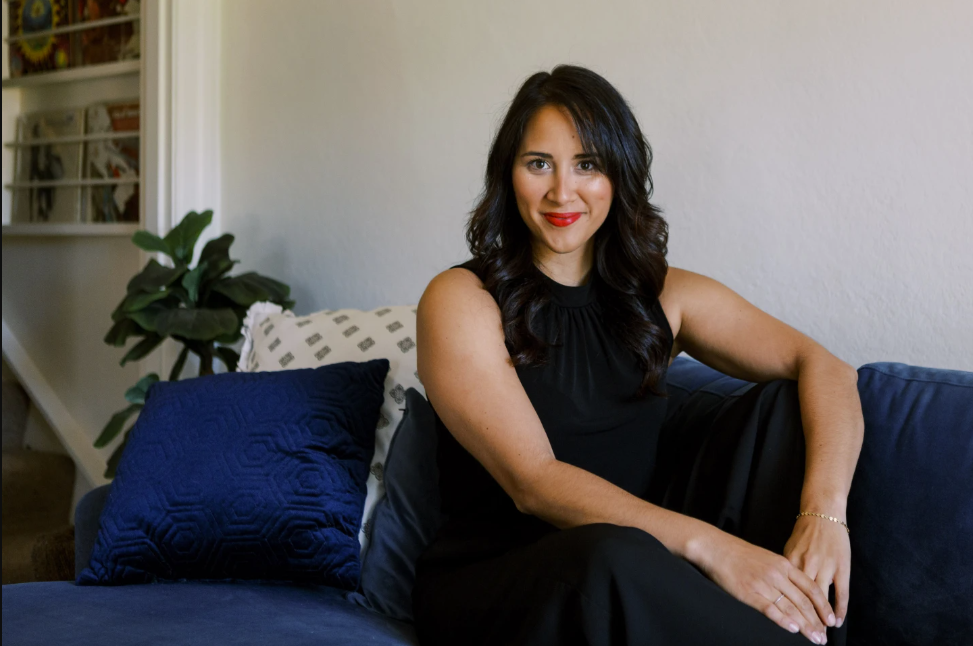
Maryam Ahmed is obsessed with food and wine. Sure, many of us may say the same, but our obsession likely stops at winetastings and dinner parties, while hers has bloomed into a career: from harvest intern at a winery to a Washington wine-making degree, on to five years at the Culinary Institute of America (CIA) in Napa as director of public programs. California cooking demos? Italian food boot camps? She’s planned it all.
But the New York–born Napa resident now runs a creative consulting company that takes what she learned in the food and wine industries and tries to upend it, with diversity and sustainability at the heart of what she does.
“For the record, there is a huge diversity problem in the food industry,” she says. “A lot of people think entry is where the issue is, but we don’t have mechanisms in place to elevate people of color to leadership positions in companies, where we have the biggest impact.”
Ahmed thrives on bringing people together to talk—or more importantly, to listen, all while eating and drinking well—and creating change in the industry through her vast network. Ultimately, she says, she’s not a food or wine person, but a people person.
Her company also specializes in project management, community building, and identifying talent, where a lot of her diversity and inclusion work comes in. It’s a big part of how she decides who to work with. “We do say if you’re not committed to effectively serving marginalized communities or creating sustainability, come back to us in a year when you’ve done more of the work.”
Ahmed talks about all things California, the biggest challenges facing the food industry today, and the wineries and restaurants that deserve a bigger spotlight.
In this series, we are spotlighting a destination we love—California—through the experiences of people we admire who call it home.
How did you end up in California and working for the Culinary Institute of America?
I grew up in Binghamton, New York, went to Cornell, and didn’t want to work a corporate job, so I ended up at a winery to start. Eventually, I got my wine-making degree in Washington State and ended up taking a consumer education position at the CIA in 2015 called “food enthusiast manager.” We planned anything from one-hour cooking demos to five-day Italian cuisine boot camps. We tripled the programs, added family programs, and did so much consumer research. I worked with chef Andrew Zimmern on Conversations at Copia. We talked about issues like equity, culture, cuisine. I loved being able to share something with the consumer that’s really actionable and sticks with them, maybe challenges their perspective.
California is at the forefront of a lot of sustainability and diversity initiatives. Have you seen this part of the industry growing and actually creating change?
Yes, for sure. Starting with just the conventional farming methods—we’re seeing a lot of change. The first 100 percent electric tractor, Monarch, started here—with that, you’re hugely reducing carbon emissions. It’s lighter, so there’s less soil impact and less impact on potential erosion, health of the microbes, and all of that. And there has been a huge consumer shift to shopping more at farmers’ markets during the pandemic, which directly supports the farmers and people who work there.
Then when you go to the social equity side, yes, things are changing. We cannot function in this state without our agricultural workers, fair wages, healthcare, housing—the California housing market is insane—and just general best practices. It’s a difficult commitment for companies and contractors to make, but I was recently part of the working group for the social equity portion of the Napa Green certification that was just released. The conversation centered around how we are going to create a bigger ripple within a much larger picture.
For organic food, I suggest you look at regenerative organic farming, which focuses on the health of the soil. This doesn’t speak to the social equity element of farming, though, and there isn’t enough being done there. The person that picks strawberries also picks grapes and lettuce. How do we push on agricultural contractors and make the biggest impact for workers across the board?
What can we be doing to support restaurants beyond eating there or ordering takeout?
The best restaurants in California rely on the farms they work with. As consumers, to help keep those farms in business while the restaurants ramp up again is really important. So you’re not just getting takeout, maybe you’re also getting a CSA box that works with your favorite local restaurant. Then I’d say, share on social media what you hear from restaurants about specials, or new openings—and help contribute to that community conversation.
What is some of the talent in California right now that you think deserves the spotlight?
In the East Bay, Tanya Holland from Brown Sugar Kitchen. I freaking love her. She’s committed to a plant-forward menu. Nyum Bai in Oakland is amazing—chef Nite Yun is a community activist and just serves incredible food.
I love SingleThread in Healdsburg, with a husband-and-wife team. And La Taberna in Napa—it’s one of those places that locals love and tourists are lucky to discover. It’s just very true to Spanish cuisine and beverages.
For wineries, I love Matthiasson, McBride Sisters, Corison, Artesa Winery, and St. Clair Brown.
Do you think we can help solve the diversity problem in the food industry by focusing on primary education?
I think discovering your passion for food starts early. The question is: Are we creating access points for life-changing moments around food in early education?
There are two programs to look into that are doing amazing things for kids and students: the Edible Schoolyard Project by Alice Waters, which teaches children about where food comes from and how it’s grown, and the California Restaurant Association Foundation, which empowers young people to work in the restaurant industry. But those are not part of primary education, they’re nonprofits.
You’re passionate about solving food waste and overconsumption. Why?
Here’s why food waste is a problem: There is too much food for certain people and not enough food for certain people. We have a consumption-driven environment in the U.S., so we’re buying more than we need and we’re incentivized to buy in bulk. Food waste is a huge contributor to global warming. When we put vegetables into a plastic bag rather than compost, and seal it up—that creates an anaerobic environment that takes way longer to decompose than in open air. But it’s really hard for people, and it’s regulated county by county here.
The city of Napa has an amazing compost program—I put [my compost] out every week. But it’s not that way for everyone. There are companies like Rethink Food repurposing food excess and creating meals for people who don’t have access. Excess into access.
But here’s how you solve it: Buy and use less. It’s really important that you don’t buy more than what you need.
About Napa Green: The Napa Green 501c3 is a global leader in sustainable winegrowing, setting the highest bar for sustainability and climate action in the wine industry. Napa Green facilitates whole system soil to bottle certification for wineries and vineyards, and provides the expertise, boots-on-the-ground support, and resources to continually improve. Learn more at https://napagreen.org/participating-members/.
Anna Brittain
Napa Green
+1 805-636-3329
email us here
Visit us on social media:
Facebook
LinkedIn
Instagram
We all know that sheep are the cutest but why are they in so many vineyards?
Cori Carlson, owner of @napapastureprotein shared the ecological goals of grazing a vineyard, along with this one key takeaway at our recent @napagreen workshop.
🐑 🐑 🐑
#woolyweeders #regenerativevineyard #soilhealth

Join us on April 9, 2026 @charleskrugwinery to explore climate smart opportunities, sustainable glass, closures and more ways to green your supply chain.
We will share case studies, hear about climate-smart and alternative packaging, clarify what materials are truly recyclable, and identify new ways to divert more waste from the landfill.
With speakers from Verallia, @naturalcorkcouncil, @cork_supply, Treasury Wine Estates, @freeflowwines, @revinobottles, @keystonecapsules, Wine Industry Zero Waste Collective, @naparecycling and more!
➡️ ticket link in bio!
#winebusiness #wineindustry #supplychainmanagement
Discover four exceptional wineries united by a commitment to sustainability, community, and thoughtful hospitality.
These wineries are not only @napagreen certified but also @bcorporation certified, and through their “B Collaborative” partnership this month, they are offering a special tasting experience: wine club members receive two complimentary tastings, and non-members can enjoy a two-for-one tasting.
Learn More by visiting these wineries.
@artesawinery
@cliffamily
@spottswoodewinery
@troisnoixwine
#winetasting #visitnapavalley
Learn why Natalie Bath, Winemaker at @ruddestate considers @napagreen an important part of their commitment of land stewardship.
#SoilHealth #WomenInWine #RegenerativeViticulture
@napagreen has had a number of growers looking for organic solutions to dealing with nematodes where vines are planted. Our partners at @lallemandplantcareusa have an OMRI approved biological solution.
Learn more in this short video!
#soilhealth #vineyardmanagement #wineindustry
Join us March 17th @grgichhillsestate to connect with cover crop expert Keith Berns, with @greencoverseed, and experienced viticulturists, to leans how you can incorporate soil health practices in your vineyard!
➡️ Registration link in bio.
#soilhealth #regenerativevineyard #covercrop
What is biochar and why is it so cool?
Hear from @napa.char to learn more.
#climateaction #soilhealth #biochar
🐝 “If you build it, they will hum” - Erin Arnsteen, Western Program Coordinator @monarchjointventure
We are grateful for everyone who attended our Biodiversity in the Vineyard workshop last week! It was an amazing day @grgichhillsestate filled with bees, birds, butterflies, a community passionate about biodiversity, and experts providing resources for building biodiversity in YOUR vineyard.
#regenerativeag #biodiversity #worldwildlife #regenerativeviticulture
Join us in congratulating Megan Scott (@love.dream.breathe), our Operations Director, on 6 years at @napagreen. Megan’s positive attitude and “can do” approach to problem solving has greatly contributed to the success of Napa Green and our members.
Thanks for your work and dedication to sustainability!
📸 @brianamarieweddings
📍 @trefethenfamily
#womeninwine #womeninstem #climateaction
Thanks to the @naparegister for publishing this Climate Connection contribution from @napagreen’s Vineyard Program Director, Ben Mackie (@soilrainandhope) highlighting the biodiversity @grgichhillsestate.
If you loved this article, you’ll love our Birds, Bees & Butterflies: Biodiversity in the Vineyard workshop happening today!
#climateaction #regenerativeag #regenerativeviticulture
Friday night dinner dilemma?
Order takeout from @southsidenapa using promo code DONATE and 20% of your order will be donated to @napagreen.
It’s a win: win! You get dinner and @napagreen gets funding to contribute our impactful climate action work in Napa Valley.
Order online or preorder your Fried Chicken Friday pickup for February 27, 2026. Don’t forget to pair it with Napa Green certified wine! 🍽️ 🍷
#dineanddonate #nonprofit #napavalley
Join us Thursday, February 26 to learn about biodiversity in the vineyard.
🍇 Ivo Jeramaz, Winemaker & VP of Vineyards and Production at @grgichhillsestate, will welcome us to the beautiful property and illustrate the various implementation of habitat diversity they have undertaken at the American Canyon ranch.
🍇 Jo Ann Baumgartner & Sam Earnshaw from @wildfarmalliance will provide insight on how to maximize bird habitat and establish hedgerows to support the local ecology.
🍇 Erin Arnsteen from the @monarchjointventure will outline how pivotal vineyard acreage can be to support the dwindling Western Monarch populations.
🍇 Cori Carlson, owner of @napapastureprotein, will explain the ecological goals of grazing a vineyard.
🍇 Ruby Stahel from the @naparcd will join us to discuss the various resources that the RCD has to support habitat enhancement on Napa properties.
🍇 @soilrainandhope from @napagreen will talk about bees!
➡️ Ticket link in bio.
#biodiversity #regenerativeag #regenerativeviticulture
Learn about the herd of cattle calmly grazing the vineyards @ruddestate, contributing to soil health and biodiversity, in our latest post from @soilrainandhope.
➡️ Link in bio.
#climateaction #regenerativeag #regnerativeviticulture #soilhealth
Thanks to @naparegister and @kcuz for this great article about the @regenerativeviticulture and @napagreen #OneBlockChallenge field day @celaniwines.
We had a great time engaging with attendees about opportunities to implement regenerative practices in their vineyards!
If you’re regenerative curious or want to learn more head to the link in our bio!
#climateaction #regenerativeviticulture
Congratulations on @napagreen Vineyard Certification to @shadybrookestatewinery!
Nestled in the picturesque heart of Coombsville, Shadybrook Estate, has shown a deep commitment to regenerative viticulture and climate action. Visit to see the natural beauty of this hidden gem.
#climateaction #regenerativeviticulture #napagreen
We love the biodiversity in this @grgichhillsestate American Canyon Vineyard!
Come learn how to integrate biodiversity in your vineyard on February 26 at this workshop with @napagreen, @grgichhillsestate, @wildfarmalliance, @monarchjointventure, @napapastureprotein and @naparcd.
➡️ Ticket link in bio.
#Biodiversity #RegenerativeAg #RegenerativeViticulture